Product added to cart
Loading...
How to Choose the Right Holster for Hunting Revolvers
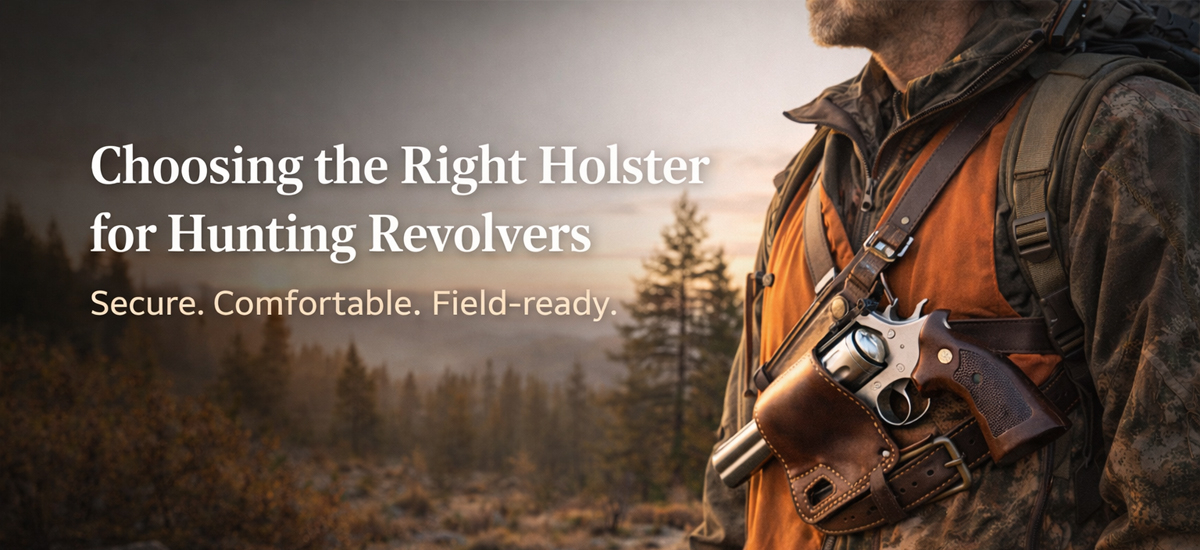
A hunting revolver is not something you carry casually. It is usually heavier, bulkier, and built for serious field use. That means the holster you choose matters just as much as the revolver itself. A poor holster can shift while walking, dig into your side under a backpack, slow down access when you need it, or expose the handgun to brush, rain, and rough terrain. A good one keeps your revolver secure, accessible, and comfortable through long hours outdoors.
If you hunt with a revolver, the right holster should match your firearm, your body movement, your clothing layers, and the kind of terrain you cover. It is not only about looks or tradition. It is about carry stability, retention, draw access, and real-world comfort.
Start With the Weight and Size of the Revolver
Hunting revolvers are often chambered for powerful calibers and may have longer barrels, larger frames, and optics-ready setups. That extra size changes everything. A compact carry holster designed for everyday defensive use will usually not perform well with a large hunting revolver.
The first thing to consider is barrel length and frame size. A longer barrel may need more support to prevent flopping or tilting during movement. A heavy revolver with a large cylinder also puts more strain on the belt and holster attachment points. If the holster is too light, too thin, or poorly reinforced, it may sag or move every time you climb, kneel, or sit.
Choose a holster built specifically for revolvers of similar size and weight. A snug, well-shaped fit helps distribute that weight better and keeps the handgun stable throughout the day.
Think About How You Actually Hunt
The best holster for one hunter may be the wrong choice for another. How you hunt should guide your setup.
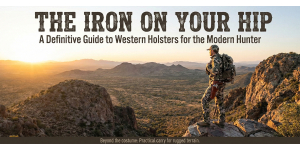
If you spend long hours walking ridges, climbing over rocks, or moving through thick brush, you need a holster that stays locked in place and keeps the revolver from bouncing. If you hunt from a blind or vehicle, easy seated access becomes more important. If you wear a backpack with a waist belt, some hip-carry setups may become uncomfortable or blocked.
Ask yourself a few practical questions:
Will I be walking long distances?
Will I be sitting for extended periods?
Will I wear a backpack or chest rig?
Will I be carrying in cold weather with bulky outerwear?
Do I need the revolver as a backup sidearm or as a primary hunting handgun?
Your answers will quickly narrow down the right carry style.
Choose the Right Carry Position
Carry position is one of the biggest decisions when selecting a hunting revolver holster.
Strong-Side Belt Carry
Strong-side belt carry is a classic option and works well for many hunters. It keeps the revolver on the dominant-hand side and offers a natural draw stroke. This setup can be excellent for open terrain and general walking when paired with a sturdy belt.
The downside is that a large revolver on the hip can become uncomfortable with backpacks, layered clothing, or frequent sitting. Longer barrels may also press into the seat or leg when riding in a vehicle or ATV.
Cross-Draw Carry
Cross-draw holsters place the revolver on the opposite side of the body with the grip angled for easier access across the front. This can be a strong option for hunters who spend time seated, ride horses or ATVs, or wear gear that interferes with strong-side access.
Cross-draw can also help keep a long-barreled revolver more comfortable when sitting. The tradeoff is that some users need practice to make the draw smooth and controlled.
Chest Holsters
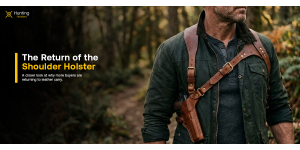
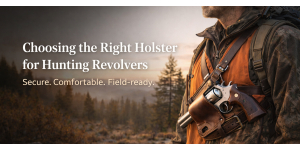
For many serious handgun hunters, chest carry is one of the most practical choices. A chest holster keeps the revolver high and centered, away from brush, mud, and belt-mounted gear. It also works very well with backpacks and heavy outerwear.
This style is especially useful for mountain hunting, backcountry movement, or any situation where belt carry becomes awkward. It distributes weight well and often keeps the handgun accessible in more body positions. If you hike a lot or wear a pack frequently, chest carry deserves serious consideration.
Prioritize Retention and Security
A hunting revolver holster must hold the firearm securely while you move through uneven ground, climb over obstacles, and push through brush. Good retention matters.
Some hunters prefer open-top holsters for faster access. Others want a thumb break or retention strap for extra security. There is no single answer for everyone, but the holster should keep the revolver in place during real movement, not just while standing still.
A field holster that allows the gun to loosen, wobble, or lift too easily can become a problem fast. At the same time, retention should not be so tight that drawing becomes difficult when seconds matter.
The ideal balance is firm retention with predictable access.
Do Not Ignore Belt Quality
Even the best holster can feel wrong if mounted on a weak belt. Hunting revolvers are heavy, and standard casual belts usually do not provide enough support.
A proper gun belt helps the holster stay in position, reduces sagging, and improves comfort. This becomes even more important with leather holsters, large-frame revolvers, or all-day field use. If your current setup shifts, tilts, or drags on one side, the problem may be the belt as much as the holster.
A stable belt-and-holster combination always performs better than focusing on the holster alone.
Pick the Right Material
Holster material affects comfort, durability, weather resistance, and draw feel.
Leather Holsters
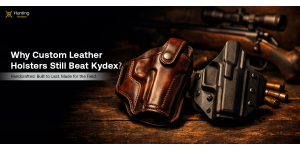
Leather remains a favorite for hunting revolvers because it is quiet, traditional, and comfortable against the body. A well-made leather holster can mold nicely over time and offer excellent field performance. It also looks right with classic revolvers and outdoor gear.
The main thing to watch is quality. Good leather should feel structured and supportive, not thin or floppy. Cheap leather can collapse, stretch too much, or wear unevenly. If you choose leather, look for solid construction, reinforced stitching, and a design built to support a heavier handgun.
Synthetic or Nylon Options
Synthetic holsters can offer lighter weight, easier maintenance, and better resistance to moisture. For wet climates or rough use, they may be a practical choice. Some chest holsters and field rigs in synthetic materials are especially useful for hunters covering long distances.
The tradeoff is that they may not always provide the same classic feel or body-conforming comfort as quality leather.
Consider Weather and Terrain
Hunting conditions should influence your holster choice more than style alone. Wet weather, steep slopes, dense timber, and cold temperatures all change how a holster performs.
In rainy or snowy conditions, a holster with better coverage may help protect the revolver. In steep terrain, secure retention becomes even more important. In colder months, heavy jackets and gloves can affect access, so the draw angle and carry position need to stay practical with winter layers on.
A holster that feels perfect indoors may feel very different after five hours in the field.
Make Sure It Matches Your Exact Revolver
Fit is everything. A hunting holster should be made for the specific revolver model, barrel length, and configuration you use. Even small differences in barrel profile, front sight height, rail setup, or optic configuration can affect fit.
A loose or generic fit is never ideal for a field revolver. The holster should support a consistent draw and reliable retention every time. If you run an optic, upgraded sights, or other custom features, make sure the holster is built to accommodate them.
Comfort Matters More Than Most Hunters Admit
A holster can look impressive online and still be miserable after half a day outdoors. Comfort matters because discomfort changes how you move, where you place your gear, and whether you actually carry the revolver the way you intended.
Pressure points, shifting weight, rubbing straps, and blocked access all become more obvious during real hunting conditions. The right holster should feel stable without constantly reminding you it is there.
That is why many experienced hunters end up choosing practicality over appearance. A field holster needs to work first.
Final Thoughts
Choosing the right holster for a hunting revolver comes down to fit, carry style, terrain, and how you hunt in the real world. A good hunting holster should keep a heavy revolver secure, accessible, and comfortable from the first step to the last.
If you walk long distances or wear a backpack, a chest holster may be the smartest option. If you prefer a traditional setup and move mostly on foot without bulky gear, a strong-side belt holster can work very well. If you spend time seated or want easier front access, cross-draw may be the better choice.
The best holster is not the one that looks the most rugged. It is the one that supports your revolver properly, stays stable in the field, and lets you draw with confidence when it matters.
For hunting revolvers, that kind of reliability is not a luxury. It is the whole point.