Product added to cart
Loading...
How to Choose the Right Holster: Fit, Materials, and Carry Methods Explained
Introduction
During early mornings in the field, many users discover just how important it is to have a holster that stays secure, doesn’t shift with movement, and gives predictable access when conditions change. A holster is more than the material wrapped around a firearm—it affects safety, comfort, and the efficiency of every moment you carry.
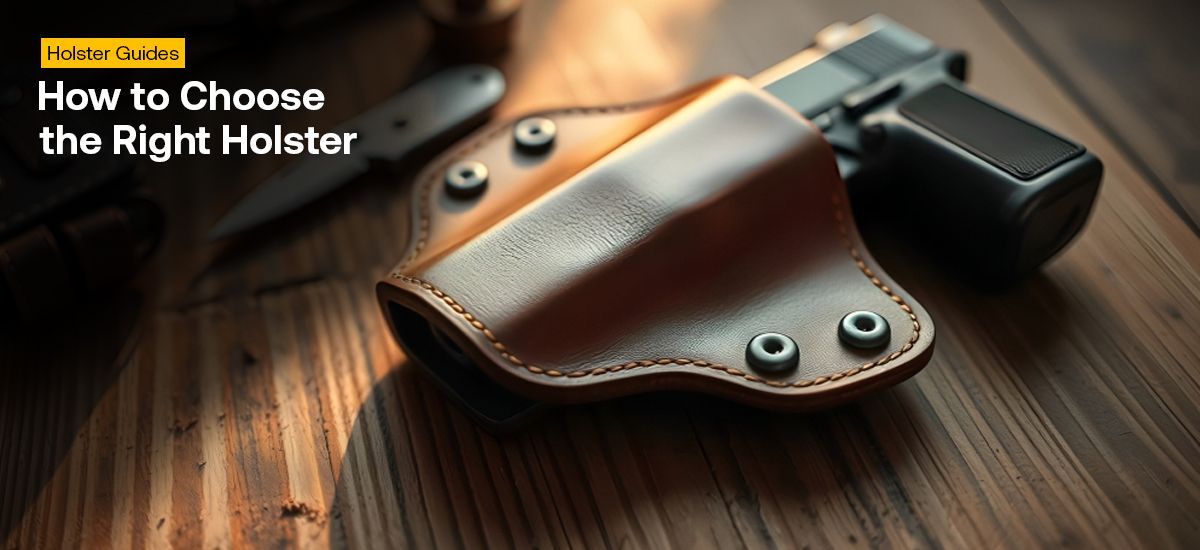
This guide explains how holster fit, leather quality, and carry method influence real-world performance, helping you choose a setup that supports your routine, whether on the trail, at work, or during daily carry.
1. The Importance of Proper Holster Fit
A holster only performs well when it matches the exact shape and dimensions of the firearm. Experienced users often notice that even small deviations can affect retention, access, and stability.
Retention & Security
A well-fitted holster secures the firearm without relying on excessive pressure or tightness. Full-grain leather forms naturally around the frame, keeping the firearm in place even while climbing, bending, or covering uneven ground.
Consistent Draw
If the holster doesn’t align with the firearm’s profile, the draw can become inconsistent. Proper molding ensures the grip sits in the same position every time, allowing a smooth, predictable draw motion.
Trigger Protection
The holster must shield the trigger area completely at all times. Fit plays a direct role in preventing accidental contact during carry or reholstering.
2. Why Full-Grain Leather Makes a Difference
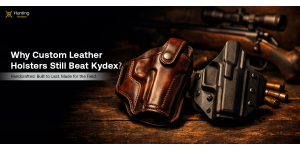
Many seasoned hunters and outdoor workers prefer full-grain vegetable-tanned leather because it behaves reliably in different environments and holds its structure over years of hard use.
Durability & Structure
Full-grain leather contains tightly packed fibers that resist stretching and collapsing. This gives the holster a stable frame that retains its shape even after long-term use.
Break-In Behavior
Unlike synthetics or split leather, full-grain veg-tan leather breaks in slowly and predictably. With time, it molds to the exact firearm contour while maintaining structured retention.
Natural Comfort
The material softens through use without losing support, offering a balance of comfort and control suitable for long days on foot.
Longevity
A well-maintained full-grain holster can last many years, making it a practical investment for users who depend on their equipment daily.
3. Comparing Carry Methods: When Each Works Best
Different holster styles serve different environments. Understanding their strengths helps you choose a method that fits your activities.
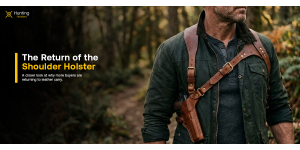
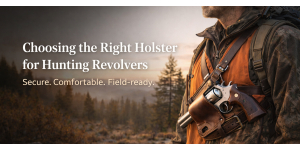
Chest Carry
During hikes, backcountry work, or steep terrain, chest carry keeps the firearm accessible without interference from waist belts or pack straps. This method shines when wearing backpacks, heavy outerwear, or bino harnesses.
Best For:
Mountain terrain or brush
Ranch and field use
Seated work (ATVs, trucks, machinery)
Cold-weather layers
Chest carry centers the weight and keeps the firearm visible and unobstructed.
Strong-Side Belt Carry
Traditional belt carry remains a reliable choice for many users. It provides intuitive placement and quick access, particularly in open environments where clothing doesn’t restrict movement.
Ideal For:
Everyday carry
Range training
General outdoor tasks
Belt carry works well when mobility and simplicity are top priorities.
Crossdraw Belt Carry
Crossdraw positions the firearm on the opposite side of the dominant hand. This method can feel more natural when seated frequently and offers easier access while in vehicles or on equipment.
Best For:
Vehicle or tractor work
Seated tasks
Users seeking alternative draw angles
Pocket and EDC Organizer Carry
For compact tools, small sidearms, or equipment like flashlights and pry tools, pocket organizers offer structured access. Users often appreciate how organizers keep tools upright, preventing them from drifting or colliding with keys or other items.
Ideal For:
- Daily utility tasks
- Light outdoor work
- Discreet carry
- Multi-tool and EDC setups
4. Evaluating Comfort and Daily Performance
A holster is only effective if it remains comfortable and functional throughout real use.
Movement Stability
Look for designs that hold their position whether you’re sitting, walking, bending, or climbing. Chest holsters and well-structured belt holsters should stay anchored without shifting.
Clothing Compatibility
Consider your typical clothing layers. Jackets, belts, and backpacks all interact differently with holsters. The right design keeps the firearm clear and accessible across seasons.
Weight Distribution
The holster must distribute weight evenly to prevent sagging or pulling. Full-grain leather and reinforced harness systems excel in stability.
5. Characteristics of a Well-Crafted Holster
High-quality holsters typically share these characteristics:
Even molding around the firearm’s shape
Full-grain leather with consistent thickness
Reinforced stitching in stress zones
Burnished edges to prevent wear on clothing
Stable retention that doesn’t weaken excessively
Harness or belt loops designed for long-term reliability
These traits signal craftsmanship and careful engineering.
6. When to Replace Your Holster
Even durable leather holsters may require replacement if:
Retention becomes too loose
Edges crack or lose structural integrity
Stitching separates
Trigger coverage is compromised
The holster no longer sits properly on the belt or harness
Regular inspection ensures safe and consistent use.
Conclusion
Choosing the right holster means understanding how fit, materials, and carry style work together to support your daily routine. Whether navigating uneven terrain, working long hours outdoors, or needing dependable access in everyday situations, the holster you select should provide secure retention, comfort, and long-term durability.
A well-chosen holster becomes a dependable part of your gear—performing consistently, adapting to your movements, and supporting you in every environment.